Porta potties provide a convenient and sanitary solution for temporary toilet needs at events, construction sites, and other locations without permanent restroom facilities. But have you ever wondered what happens after they get used? Where exactly does the waste from porta potties end up? This post will explain the full porta potty waste process – from collection, transportation, treatment, to final disposal. We’ll also cover key questions like where do porta potties get dumped, who empties them, and how they get cleaned between uses. After reading, you’ll have a full understanding of the porta potty waste removal system and what happens to waste after you flush.
How Do Porta Potty Waste Tanks Work?
Porta potties contain either a freshwater tank or a wastewater tank below the toilet bowl. The fresh water tank contains a reservoir of water for flushing, while the wastewater tank collects all waste deposited into the toilet.
Most standard porta potty units contain 60-70 gallon wastewater tanks made of durable polyethylene plastic. Larger restroom trailers may have tanks over 100 gallons.
Inside the waste tank is a layer of deodorizing chemicals and often a layer of blue dye as well. The chemicals help control odor while the dye helps monitor leaks.
As the toilet gets used, waste accumulates in the tank below. Once full, specialized waste trucks are dispatched to pump out and transport the sewage to treatment facilities.
How Many Gallons Does A Porta Potty Hold?
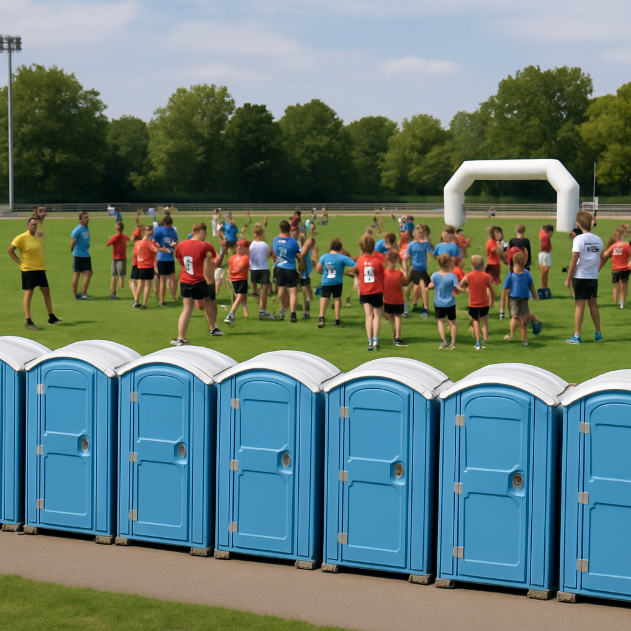
Porta potties come in a range of sizes that can service various capacity events. Small basic units may have only a 10-15 gallon waste tank. These often get used for short term needs like construction sites.
For larger gatherings, you’ll need bigger units that can handle more volume and traffic. Special event porta potties often range from 30-60+ gallon tanks to limit pumping frequency.
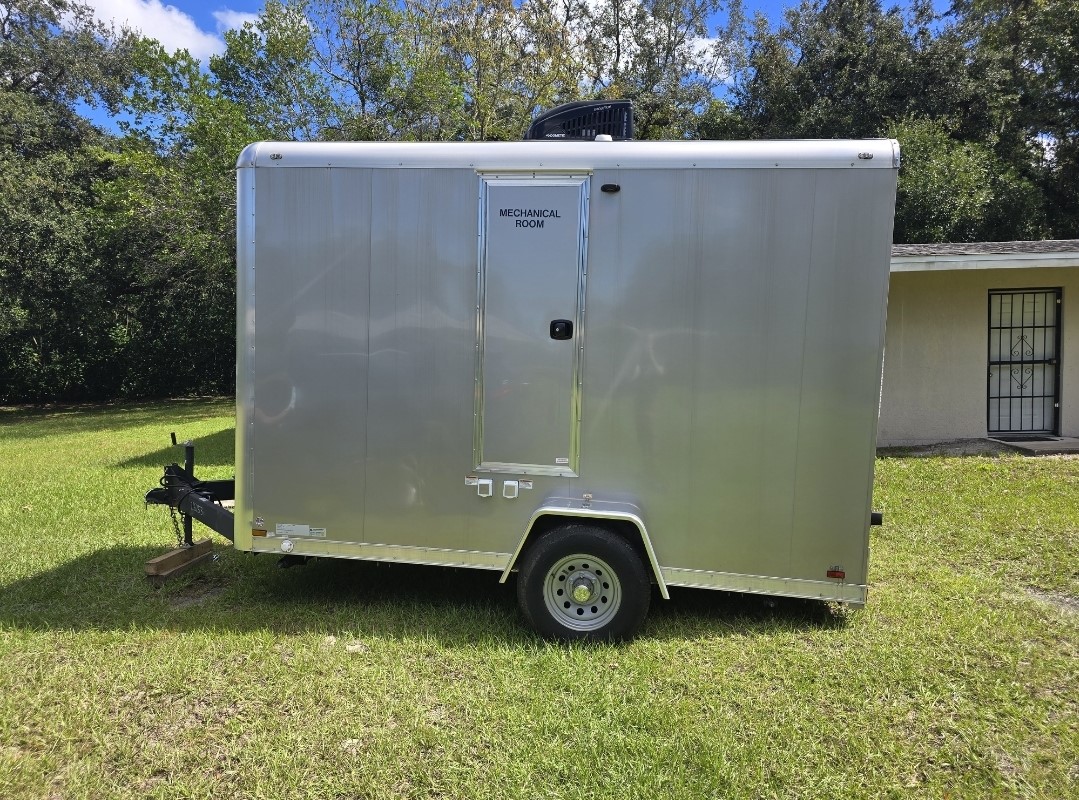
Restroom trailers offer even greater capacity, with waste reservoirs over 100 gallons. Their larger tank allows for extended use between emptying.
When determining porta potty tank size needed, consider:
- Number of event attendees
- Duration of event
- If alcohol gets served (increases usage)
- Average waste output per person
Under estimating capacity almost guarantees overflowing incidents if units reach volume limits. A good rule of thumb is 1 porta potty per 75-100 guests. Talk to your rental provider about right-sizing units for gathering size and length.
How to Empty and Dispose Porta Potty Waste
Cleaning crews take careful precautions when removing and disposing human waste from porta potty tanks. Proper protocols prevent leaks, spills, and contamination:
Personal Protective Equipment
Workers wear PPE equipment like gloves, boots, uniforms, respirators and safety glasses. This protects from exposure during pumping and cleaning.
Tank Vacuuming
Powerful vacuum hoses get inserted into the waste tank. Suction pumps liquefy any solid buildup so all contents remove easily.
Tanks may need rinsed with a water jet spray to help evacuate thick sludge from the bottom.
Secure Transportation
Full waste gets sealed into the truck tank for transport. Cleaning crews make sure valves are tightened before heading to the disposal facility.
Tipping: Adding deodorizing chemicals helps control odor during collection routes.
Responsible Disposal
At municipal plants, porta potty waste gets screened, treated, and processed safely like all collected sewage. Strict procedures remove risks before discharging cleaned water.
Proper PPE use, pumping protocols, transport containment, and plant disposal prevents waste exposure threats posed by these biohazard materials.
Where Does Porta Potty Waste Go? Waste Transportation Process
So, where exactly do the pumper trucks take all that waste from porta john tanks?
Typically, porta potty waste gets transported to the nearest municipal sewage treatment plant. These facilities process all types of sewage – from residential homes, businesses, as well as porta johns.
Not all treatment plants accept porta potty waste though. Some smaller towns don’t have the capacity. In these cases, trucks need to drive longer distances to facilitys in larger cities or counties.
The transportation process involves giant tanker trucks, specially designed to vacuum waste from porta potty tanks. The trucks use powerful pumps and suction hoses to remove all solids and liquids from inside.
This is how you empty a porta potty or porta john – with an industrial vacuum truck to drain the entire tank.
Once finished pumping, the trucks travel to designated waste facilities to deposit the sewage. After proper treatment, the processed waste gets released back into the water cycle or converted to biosolids fertilizer.
Where Does Waste Go Once Delivered to Treatment Plants?
When the pump trucks arrive at wastewater plants, the porta potty waste gets temporarily held in large containers before processing.
From here, the sewage goes through multiple stages of treatment to remove solids, purify water effluent, and safely process any residual solids.
Key phases of the treatment process include:
Preliminary Treatment
Screens and filters remove large debris like sticks, rocks, trash. Sand and grit get collected in sedimentation tanks.
Primary Treatment
Allowing waste to settle pulls most suspended solids down to the bottom, forming an organic sludge.
Secondary Treatment
Bacteria and protozoa consume organic matter in aeration tanks and convert ammonia to safer nitrates. More settlement removes leftover particulates.
Tertiary Treatment
Fine filters, chemicals, UV light or ozone treatment help further disinfect water for safer discharge or reuse.
Sludge Treatment
Digesters and dryers process remaining biosolids into fertilizer, fuel, or landfill disposal.
After extensive purification, the treated water gets tested and released into waterways or used for non-potable irrigation. Solid waste gets converted into beneficial biosolid byproducts.
This complex process removes waste safely out of the environment to protect public health.
Who Empties Porta Potties & Transports Waste?
So, who actually manages this dirty job of pumping out dirty porta potties? Specialty waste companies with trained technicians and certified pump trucks.
These porta potty service providers have an entire operation centered around sanitarily collecting and responsibly disposing liquid and solid waste.
Key roles they provide include:
- Operating fleets of vacuum trucks for on-site porta potty collection
- Transporting sewage from events/sites to treatment plants
- Tracking waste manifests and compliance paperwork
- Providing professional cleaning services to units
- Stocking supplies like toilet paper, hand sanitizer, deodorizers
- Renting and delivering porta johns/restroom trailers
By partnering with a qualified porta potty service company, event managers don’t have to worry about the complicated behind-the-scenes waste process. Customers simply rent the units, then technicians take care of timely pumping and maintenance included.
After a busy event ends, companies quickly respond to empty all waste tanks before thoroughly washing them for the next rental.
How Do They Clean Porta Potties Between Uses?
With so many people using porta potties at events, sanitation is incredibly important between rentals. So, how exactly do companies clean porta potty units?
The full cleaning process includes:
Waste Removal
First, the tank gets entirely pumped out and rinsed using the vacuum truck. Some trucks feature tank wash systems that spray water and disinfecting solution for a thorough interior cleanse.
Any remaining waste, leaks, or spills in/around the unit also get power washed away by technicians on site.
Disinfection
Next, the interior bowl, urinal, walls and floors undergo chemical cleaning with strong detergents and disinfectants. Scubbing removes all visible dirt and stains to deodorize.
Some companies take advantage of steam cleaning or pressure washing for deeper sanitization penetration. The steam heat kills germs in hard to reach crevices.
Supplies Replenished
Finally, all disposable supplies get replenished like toilet paper, seat covers, hand sanitizer, air fresheners. The waste tank may also receive more blue dye and chemical additives.
Once fully cleaned and restocked, the porta potty gets transported via truck to the next rental location. Renters receive assurance that units arrive clean and hygienic.
Benefits of Proper Porta Potty Waste Disposal
Following proper waste collection and treatment protocols provides huge public health, environmental, and aesthetic benefits:
Prevents Disease Outbreaks
Safely removing human waste from communities prevents the spread of contagious diseases from germs and parasites. Away from people and water systems, it can’t make anyone sick via direct contact or contamination.
Safeguards Clean Water
Treating sewage before release removes risky contaminants that would pollute natural water bodies if dumped carelessly. Processed water can flow safely back into the hydrologic cycle.
Odor & Pest Control
Trucking waste offsite and deodorizing tanks helps contain nasty odors around events or worksites. Quick removal also minimizes attraction of pests to the area.
Recycles Nutrients
The wastewater treatment process recycles nutrients like nitrogen and phosphorus from liquid effluent and biosolid byproducts. This sustains ecosystems, produces fertilizer, and conserves resources.
Following porta potty waste removal best practices ensures private waste won’t negatively impact communities that utilize these convenient amenities.
Porta Potty Waste Removal Regulations
Given the public health importance of responsible waste handling, porta potty service companies must follow strict state and federal regulations.
Local municipalities issue licenses for waste transportation across town. Companies track the origination, transit, treatment, and disposal of each load via waste manifests.
To protect water resources, the EPA established best practice recommendations and thresholds for allowable contaminants in discharged effluent. Fines get issued for violations.
OSHA also governs protocols for safe waste handling to protect sanitation worker health when pumping, hauling, cleaning tanks.
By adhering to these codes and permit requirements, reputable porta potty providers transparently operate their waste removal program above board. Customers can trust in sustainable, community-minded processes.
Questions to Ask Your Porta Potty Provider About Waste
If you’re renting porta potties for an event, make sure to ask the right questions upfront to vet provider practices:
- Where exactly do they dispose of collected waste? Do they have licenses?
- How often will units get pumped/emptied? High traffic events need more frequent service.
- What cleaning methods do they use in between rentals? Look for disinfection assurances.
- Can they provide waste manifest reports for transparency?
- Do they adhere to all state, EPA, and OSHA requirements?
- How do they minimize environmental impacts from waste?
- How do they handle emergency spills or leaks?
Reputable providers will readily share pumping schedules, manifests, and sanitation protocols. Transparency builds trust in their waste removal operations.
The Bottom Line
Hopefully this article clearly explains what happens to waste after you use the porta potty – where it goes, who collects it, and how it gets safely processed.
While rarely glamorous, proper sewage collection benefits communities that rely on portable sanitation solutions for events or remote worksites. Strict regulations mandate responsible disposal processes to protect public health and environments.
If want to rent units for your next event, contact us at (407) 759-7787 or email us at contact@thepottycompany.com. Our team at The Potty Company is happy to provide transparent, responsible waste and rental services for your sanitation needs. Also, visit our website at thepottycompany.com to learn more!