Portable toilets play an essential role in ensuring sanitation wherever permanent restroom facilities are unavailable. From large-scale music festivals to small backyard events, and from disaster response zones to long-term construction projects—portable restrooms are a key part of everyday logistics.
While all porta potties may look similar at a glance, there’s a key distinction between the standard portable restroom and the more inclusive ADA-compliant portable restroom.
In this guide, we’ll break down the differences, highlight recent industry trends, and help you choose the best restroom setup for your needs—whether you’re hosting thousands or managing a single job site.
What Is a Standard Portable Restroom?
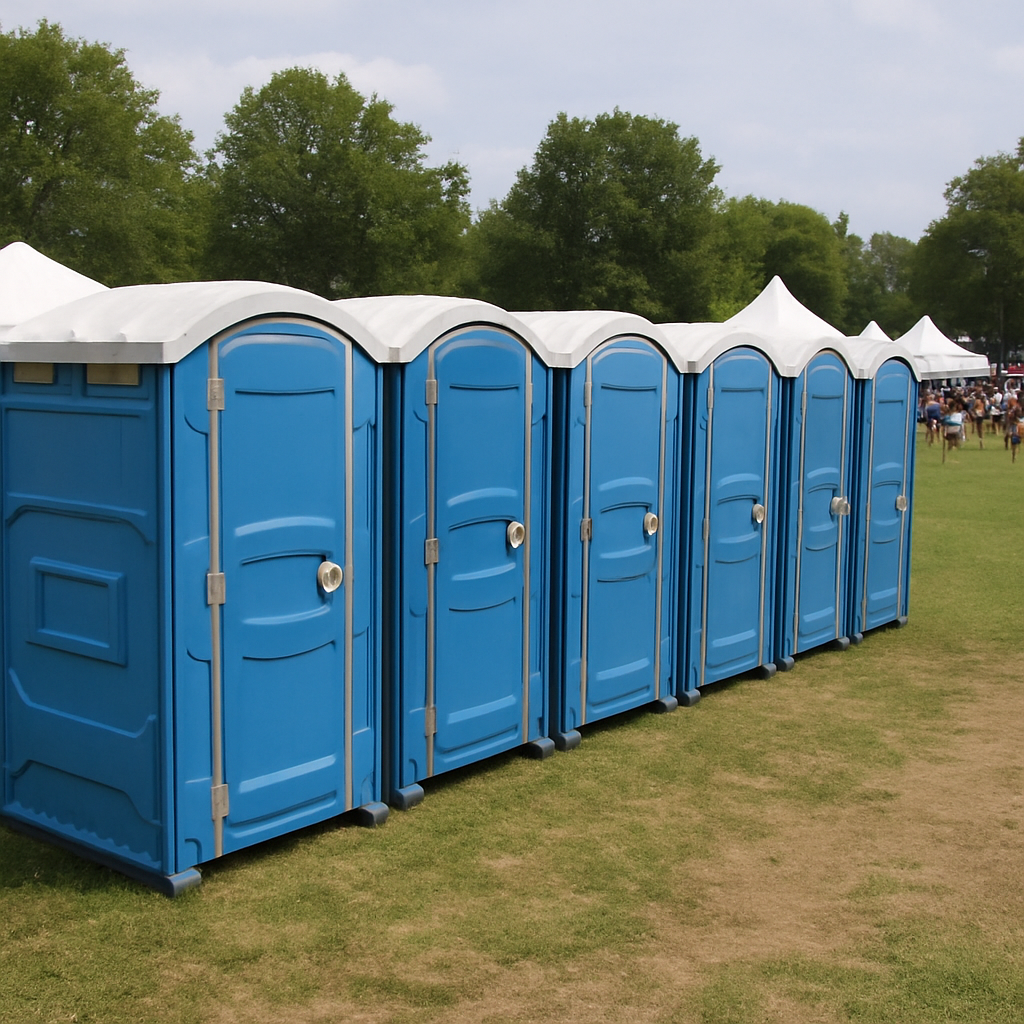
A standard portable restroom is the single-unit, standalone porta potty most people recognize. It’s compact, quick to deploy, and ideal for short- to medium-term use.
Typical features include:
-
A small footprint (approx. 3 ft. x 3 ft.)
-
Gravity-fed tank toilet
-
Lockable door with privacy indicator
-
Passive ventilation and optional urinal
-
No built-in sink, hand sanitizer, or running water (unless added externally)
-
Not equipped for accessibility or mobility assistance
Standard restrooms meet basic sanitation needs for able-bodied users. They are best for high-traffic areas where accessibility compliance is not required.
What Is an ADA-Compliant Portable Restroom?
An ADA-compliant portable restroom—also called an ADA restroom—is built to meet the standards of the Americans with Disabilities Act (ADA). These units offer improved accessibility, safety, and comfort for individuals using wheelchairs, walkers, or other mobility aids.
Key features include:
-
Spacious interior (minimum 60″ x 60″) to allow 360° wheelchair turn radius
-
Extra-wide doors (32″ or wider) with self-closing hinges
-
Ground-level, no-step entry or ramp access
-
Grab bars on rear and side walls
-
Slip-resistant flooring
-
Low-mounted fixtures for reachability
-
Clear ADA signage with disability symbols
These restrooms are thoughtfully designed to offer dignity, autonomy, and safety to users with mobility challenges.
Why ADA Restrooms Matter
Accessible restroom facilities are not just a convenience—they’re often a legal requirement.
Regulatory Requirements:
-
ADA mandates at least 5% of restrooms at public events be ADA-compliant
-
This equals 1 ADA unit per 20 standard units
Beyond Compliance:
-
ADA restrooms support inclusivity
-
Ensure safe, equal access for all attendees or workers
-
May be required at worksites if any workers have disabilities
Including ADA restrooms reflects a commitment to accessibility and inclusivity.
Industry Trends: Portable Sanitation (2024–2025)
The portable restroom industry is evolving rapidly. Here are key trends shaping the future:
-
Market Growth: Global market projected to reach $38B by 2033 (7.5–8.4% CAGR)
-
Sustainable Design: Use of biodegradable chemicals, low-water flush systems, and eco-friendly deodorizers
-
Hands-Free Features: Motion-activated lights, foot-pump flush systems, touchless sanitizer
-
Smart Monitoring: IoT sensors for tank levels and usage tracking
-
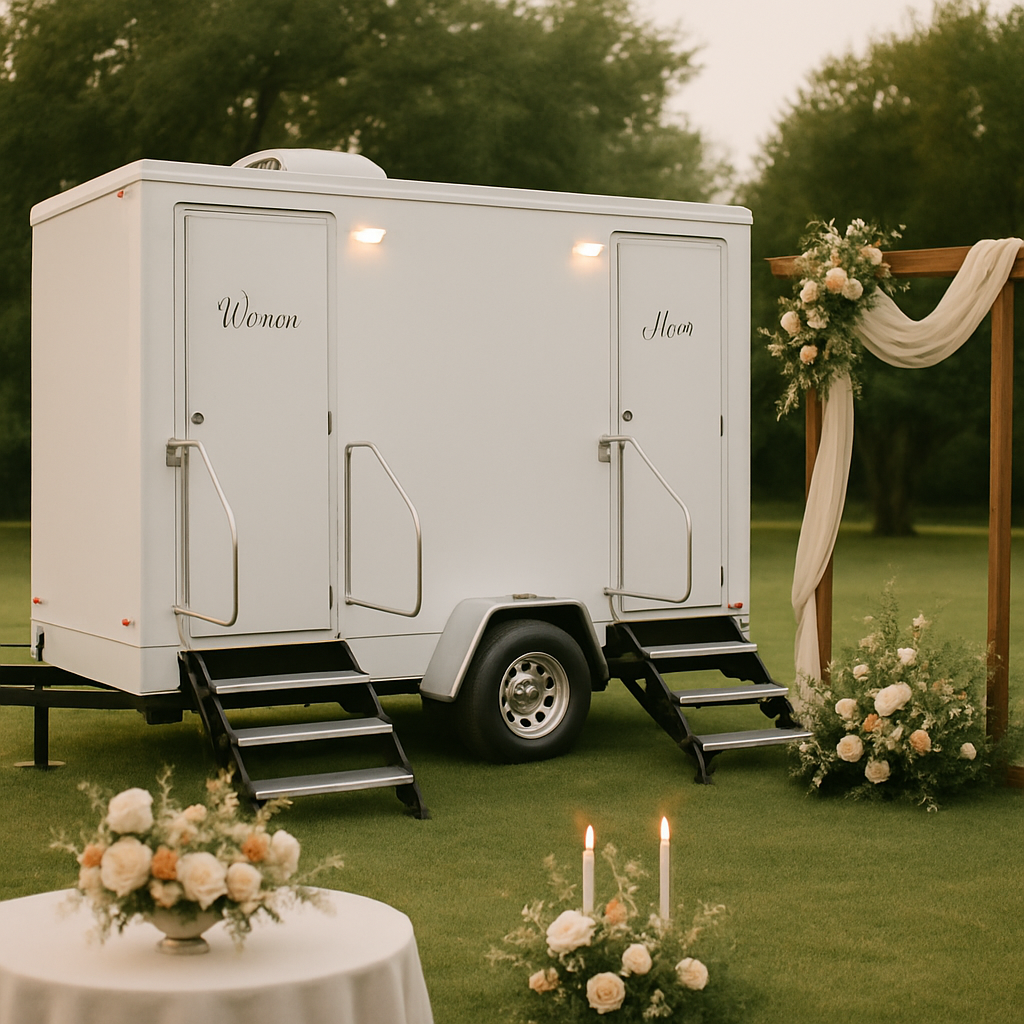
Premium ADA Options: ADA trailers with climate control, mirrors, LED lighting, and sinks
-
Emergency Readiness: ADA restrooms increasingly stocked in disaster response fleets
These innovations improve hygiene, efficiency, and user experience.
Comparison: Standard vs. ADA-Compliant Portable Restrooms
| Feature | Standard Unit | ADA-Compliant Unit |
|---|---|---|
| Interior Size | ~9 sq. ft. | 25–30 sq. ft. minimum |
| Door Width | ~32″, manual | 32″+, self-closing and accessible |
| Ground-Level Entry | No | Yes (with or without ramp) |
| Wheelchair Accessibility | No Possible | Fully accessible |
| Grab Bars | Absent | Required, side rear bars included |
| Slip-Resistant Flooring | No | Yes |
| Sink/Handwashing | Optional outside | Optional inside or outside |
| Cost | Lower | 20–50% higher due to added features |
| Target User | General population | Mobility-challenged individuals |
| ADA Compliance | Not ADA compliant | Fully ADA compliant |
When to Use Each Type
Standard Portable Restrooms
Best for:
-
Large events with budget constraints
-
Construction sites and short-term use
-
Situations where accessibility isn’t required
ADA-Compliant Portable Restrooms
Best for:
-
Public or government-sponsored events
-
Elderly or mobility-limited guests
-
Family-friendly environments
-
Emergency response or inclusive planning
Offering both ensures full compliance and a welcoming environment.
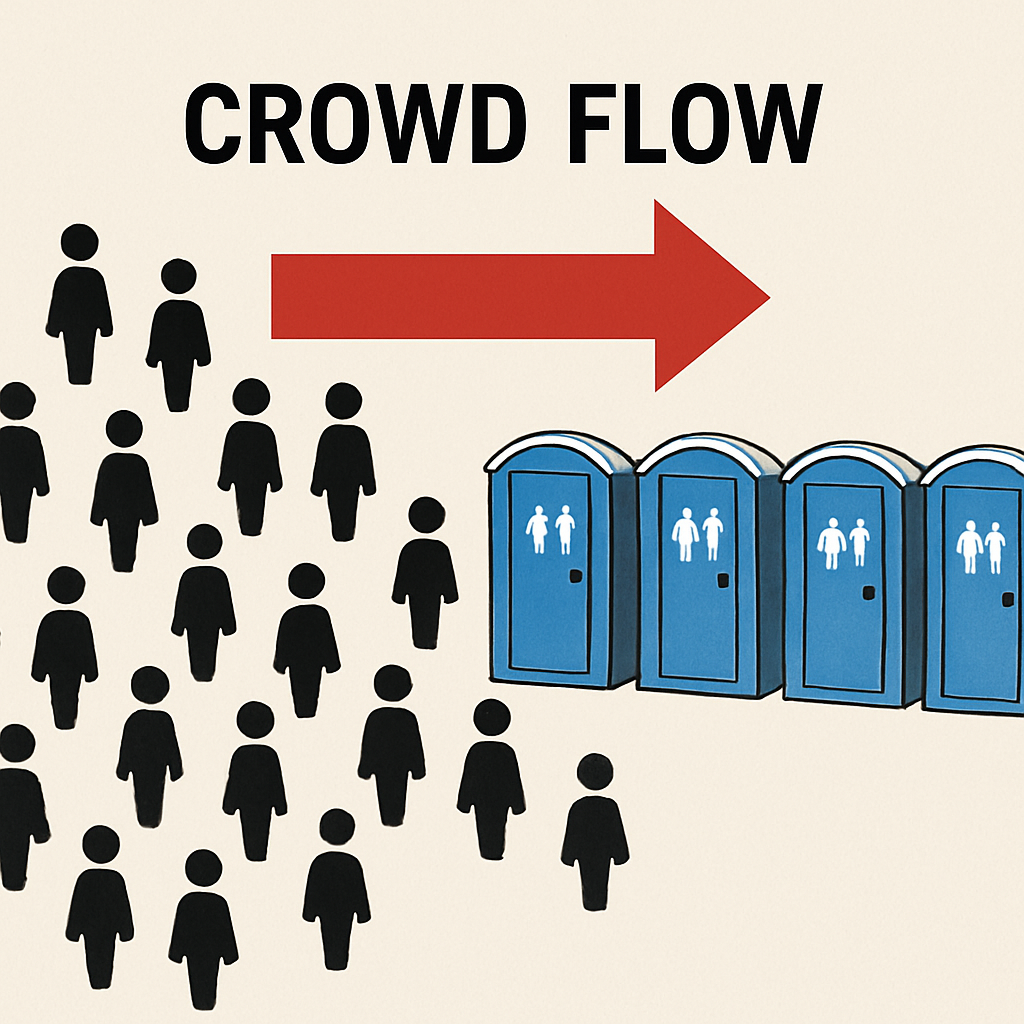
Logistics: Setup and Placement Tips
To ensure ease of use and full accessibility:
-
Place ADA units on firm, level surfaces
-
Ensure clear, smooth paths (no gravel or steps)
-
Make units visible—near entrances or central walkways
-
Pair ADA units with standard ones
-
Add signs for clear navigation
-
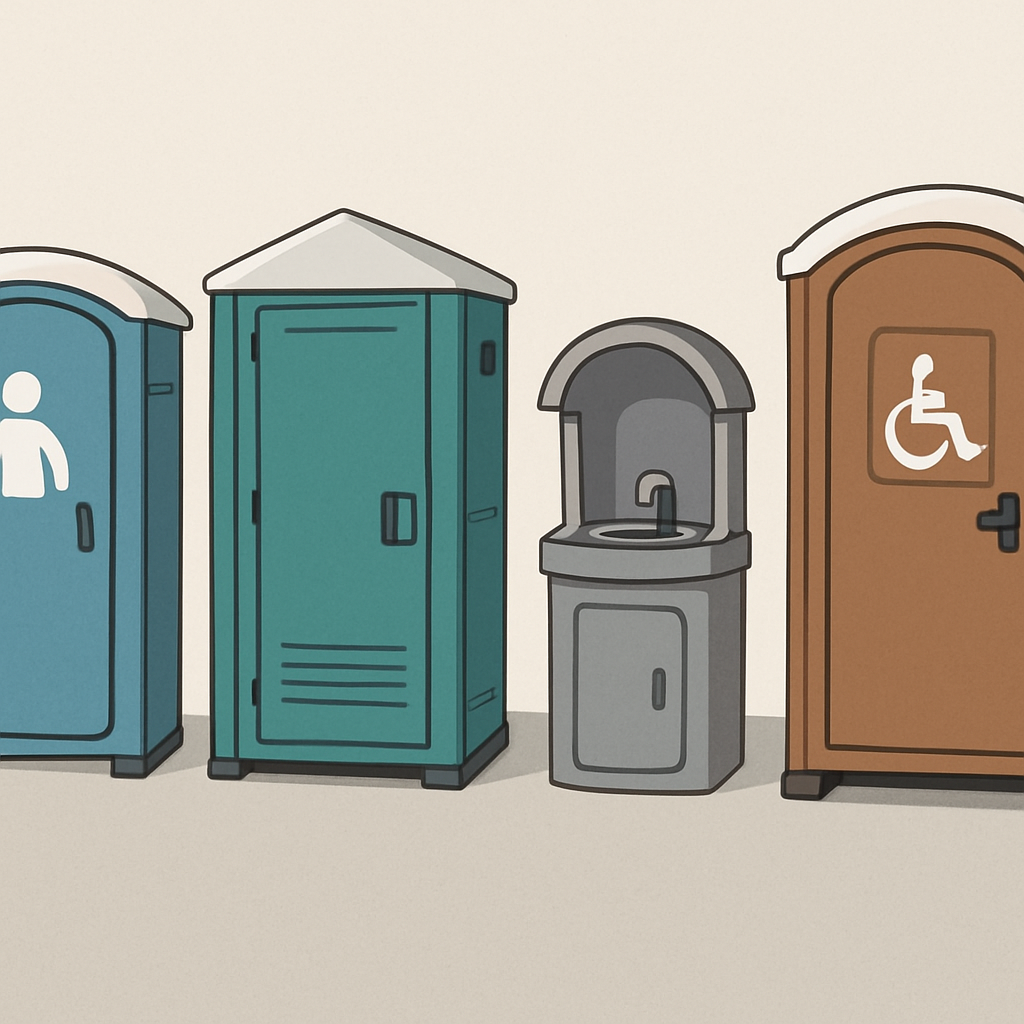
Provide nearby accessible handwashing stations
Thoughtful placement improves user experience and flow.
Choosing the Right Provider
Not all restroom rental companies are created equal. Choose one that offers:
-
Knowledge of ADA vs. standard unit needs
-
Transparent pricing and quality inventory
-
Dependable maintenance and on-time service
Why Choose The Potty Company?
The Potty Company proudly serves Central Florida with:
-
Reliable delivery and pickup
-
Wide selection of ADA-compliant and standard units
-
Sanitized, ready-to-use restrooms
-
No hidden fees
-
Friendly, responsive customer support
We help you stay compliant, clean, and confident—every time.
Reserve Your Portable Restrooms Today
Whether you’re planning a festival, hosting a wedding, or managing a job site—the right restroom setup matters.
Let our team guide you through choosing the best mix of units, layout optimization, and accessibility compliance.
📞 Call us at (407) 759-7787
📧 Email: contact@thepottycompany.com
Let’s make your next event clean, inclusive, and stress-free.